dejar un mensaje
Si está interesado en nuestros productos y desea conocer más detalles, deje un mensaje aquí, le responderemos tan pronto como podamos.

Meta Title: How Does a Cryogenic Deflashing Machine Work? | PEGE Technology
Meta Description: Learn how cryogenic deflashing machines use liquid nitrogen to remove flash from rubber and plastic parts in 3 simple steps. Quick guide for engineers and buyers.
A cryogenic deflashing machine uses liquid nitrogen to freeze rubber or plastic parts until the thin flash becomes brittle, then blasts them with polycarbonate media to remove the flash — all without damaging the part surface. The process takes 3–10 minutes per batch.
• Flash freezes brittle → media blasts it off → part body stays intact
1. Freeze. Parts are loaded into a rotating stainless steel drum. Liquid nitrogen is injected to lower the temperature to the material's embrittlement point. Thin flash sections cool faster and become brittle before the thicker part body does.
2. Blast. The drum rotates while polycarbonate media impacts the frozen flash at high speed, cracking it off cleanly. Drum speed and blast duration are adjustable for each material and part geometry.
3. Separate. Broken flash fragments pass through screened perforations in the drum. Finished parts and media are separated, and parts return to ambient temperature — ready for inspection or packaging.
For a practical example: when processing NBR O-rings (ID 2mm, OD 20mm) on the PG-80T, we set the parameters as follows — temperature at -75°C, blasting time 5 minutes, media size 1.0mm, blasting speed 6,000 RPM, barrel speed 20 RPM, with approximately 3.5 kg per cycle. This configuration consistently delivers clean flash removal with zero surface damage.
The key principle behind cryogenic deflashing is differential embrittlement. Thin flash sections reach embrittlement temperature faster than the thicker part body, creating a temperature gap. Within this window, the media selectively removes brittle flash while the part body remains resilient and unaffected. Unlike grinding or cutting, there is no direct abrasive contact with the part surface itself.
Cryogenic deflashing is suitable for rubber (NBR, silicone, EPDM), plastic injection parts (PA, POM), and zinc/magnesium die-cast parts — each requiring different temperature settings. For a detailed material-by-material guide, see our upcoming article: What Materials Can Be Processed by Cryogenic Deflashing?
1. Does cryogenic deflashing damage the part surface?
No. The process targets only the brittle flash; the part body remains elastic at processing temperature and is never abraded.
2. How long does one cycle take?
Typically 3–10 minutes per batch, depending on material type and part geometry.
3. How much liquid nitrogen does the machine consume?
Consumption varies by model and material. PEGE machines are engineered to achieve 15%–20% lower LN₂ consumption compared to comparable models on the market.
• PG-40T Compact Cryogenic Deflashing Machine — Ideal for small batches and lab testing
• PG-80T Cryogenic Deflashing Machine — Medium-volume production workhorse
• PG-150T Cryogenic Deflashing Machine — High-volume industrial production
PEGE Technology Machine — With nearly 20 years of experience in cryogenic deflashing technology, our SUS304 stainless steel machines are exported to 15+ countries across Europe, Southeast Asia, and South America. Trusted by manufacturers in automotive, medical, electronics, and consumer goods industries.
Need a cryogenic deflashing solution for your production line? Contact us today for a free consultation and quote.
Estamos en línea 7*24 horas para responder a todas sus preguntas


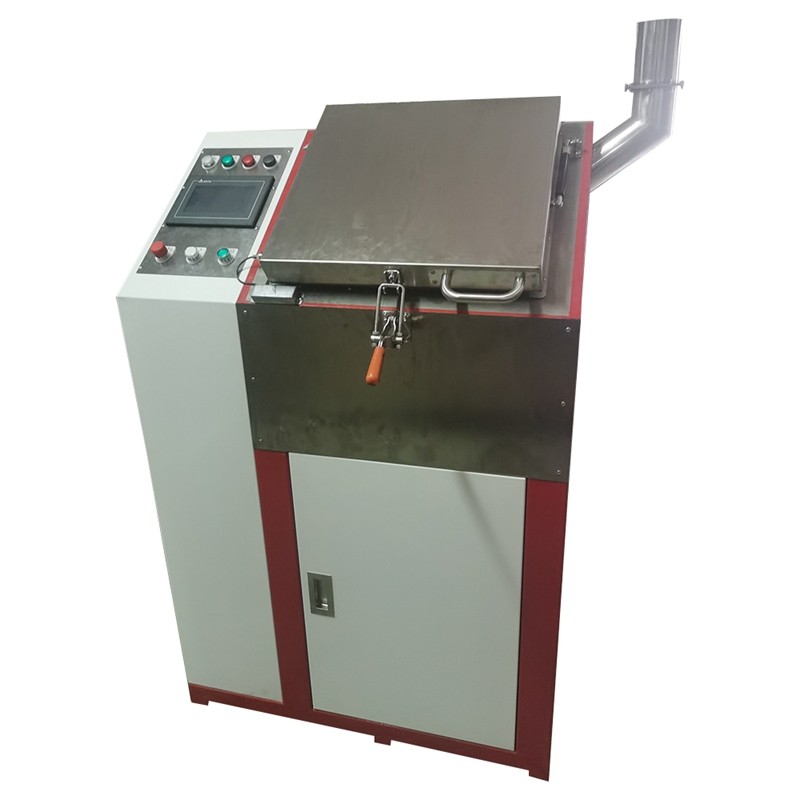 Máquina de desbarbado criogénico PG-40T
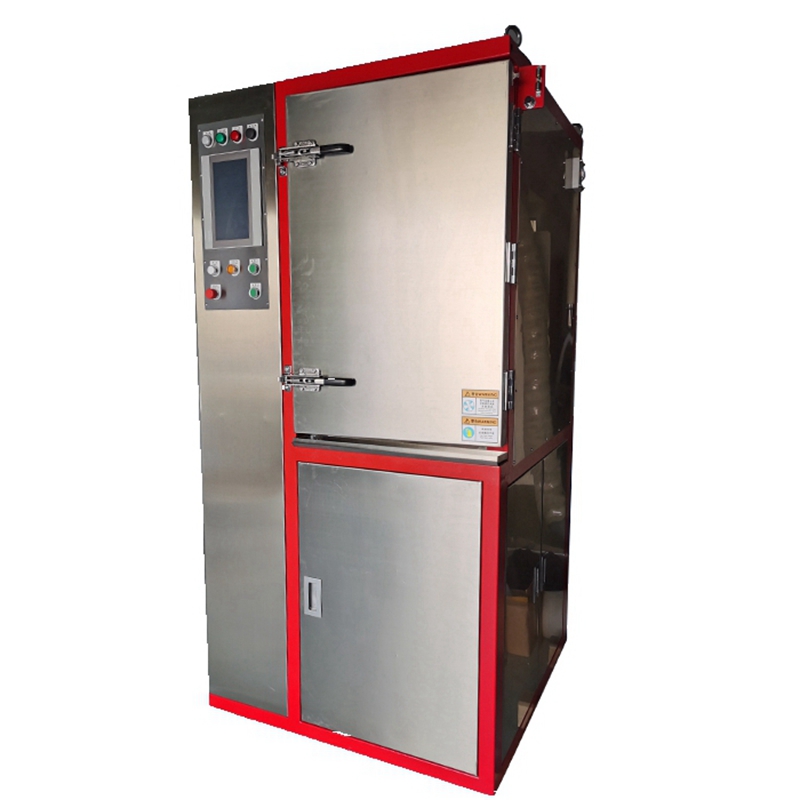 Máquina de desbarbado criogénico PG-60T
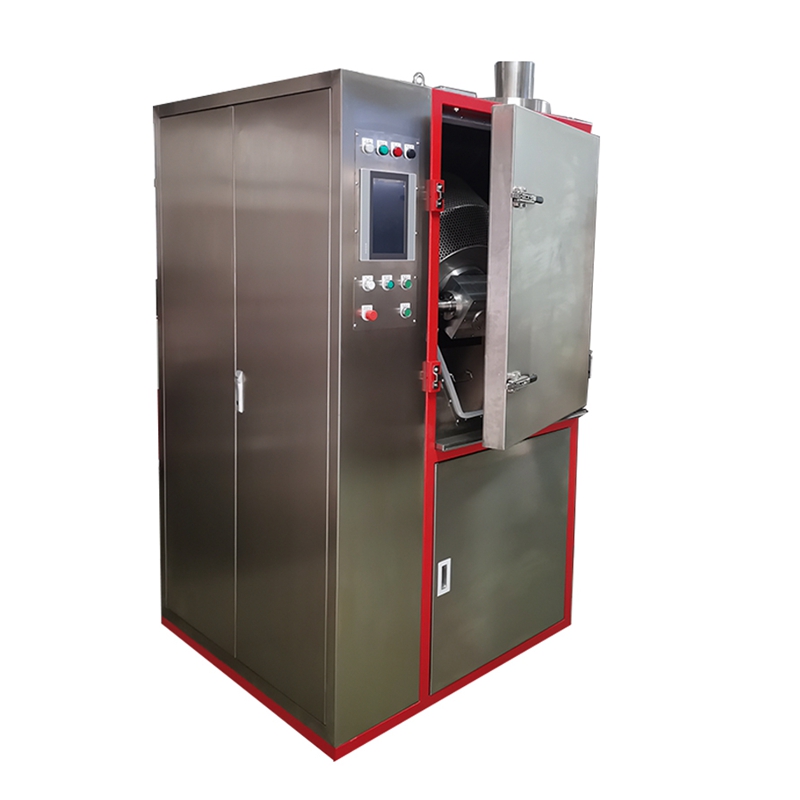 Máquina de desbarbado criogénico PG-80T
 Máquina de desbarbado criogénico PG-120T
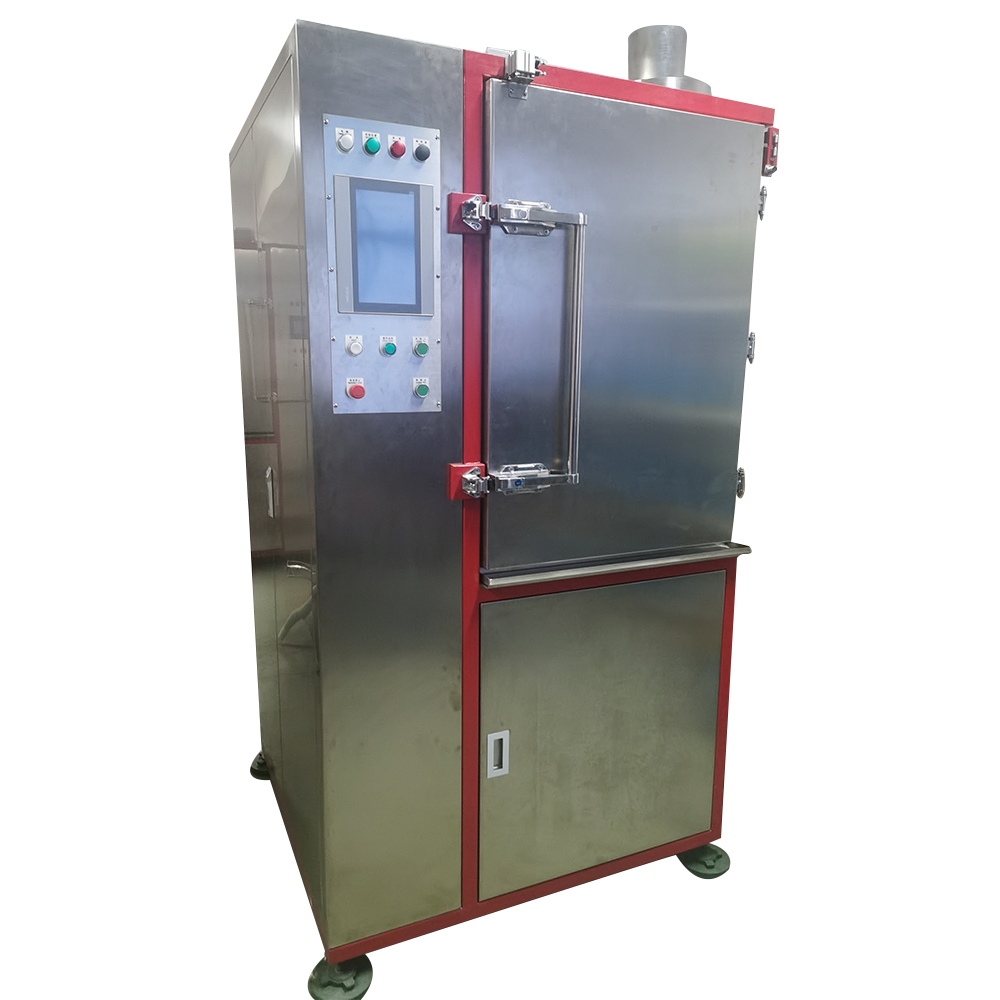 Máquina desbarbadora criogénica PG-150T
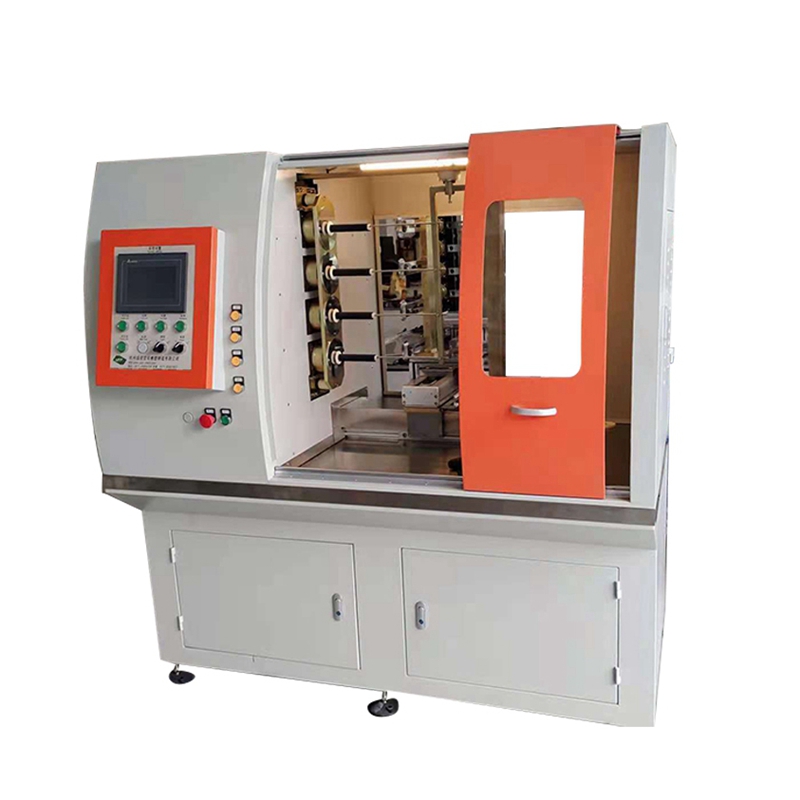 Máquina cortadora de juntas de lavadora de mandril al vacíoPG-YAQ-1S
 Desbarbadora de nitrógeno de China PG-40T
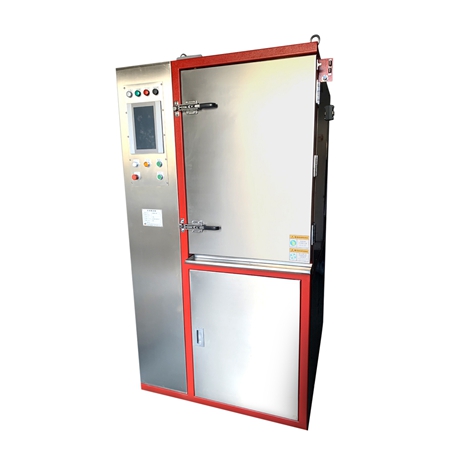 Máquina automática de desbarbado criogénico de piezas de caucho
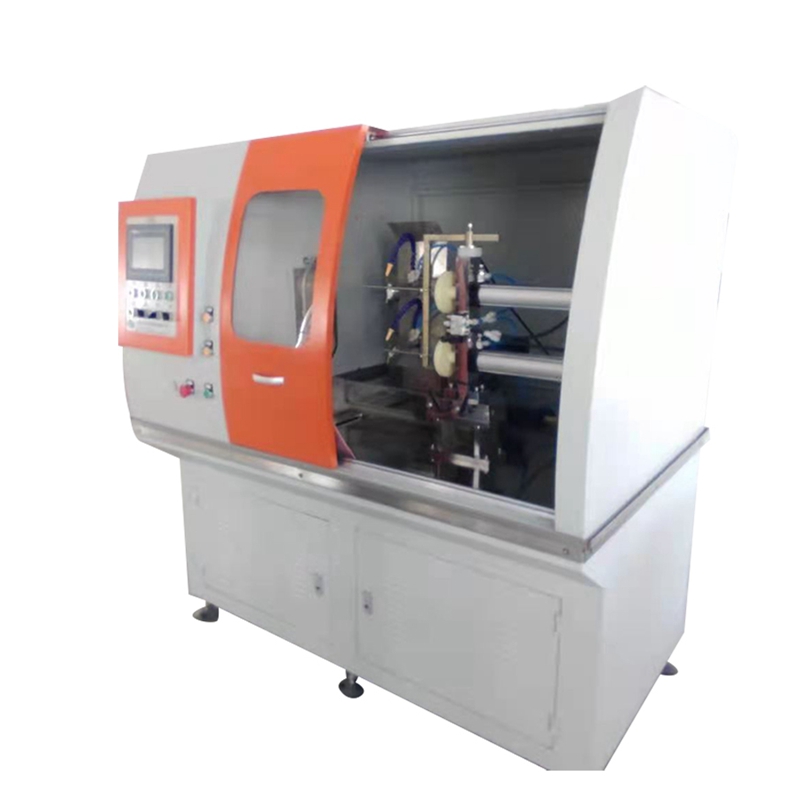 Máquina cortadora de mandril al vacío
 Nanjing Pege Frozen Shot Desbarbador criogénico Desbarbado de piezas de plástico
Máquina cortadora de juntas de mandril al vacío
Nanjing Pege Frozen Shot Desbarbador criogénico Desbarbado de piezas de plástico
Máquina cortadora de juntas de mandril al vacío
 Máquina de desbarbado de granallado de nitrógeno líquido


 English
 français
 español
 Soporta red IPv6