dejar un mensaje
Si está interesado en nuestros productos y desea conocer más detalles, deje un mensaje aquí, le responderemos tan pronto como podamos.

Meta Title: What Materials Can Be Processed by Cryogenic Deflashing? | PEGE
Meta Description: Complete guide to materials for cryogenic deflashing: which rubbers, engineering plastics, and die-cast metals work — and which don't. Includes verified processing parameters and real-world examples.
Cryogenic deflashing works on three broad material categories: rubber/elastomers (NR, NBR, HNBR, ACM, EPDM, FKM, and more), engineering plastics (PA+GF, PC+GF, POM, PPS, PBT, PET, PEEK, and most thermoplastic elastomers such as TPU, TPO, TPV, EVA), and zinc/magnesium die-cast alloys. However, it is not a universal solution — certain unfilled or general-purpose plastics such as pure PA, pure PC, ABS, PP, HDPE, and ETFE are not suitable based on years of production experience. Silicone is also difficult to process with a low success rate. The process relies on the principle that thin flash becomes brittle at cryogenic temperatures before the thicker part body does — a property that only applies when there is a sufficient differential between the two. PEGE Frozen Shot machines offer adjustable temperature settings down to -130°C, but we always recommend sample testing before committing to production.
• Cryogenic deflashing is effective for rubber, a wide range of engineering plastics, thermoplastic elastomers, and zinc/magnesium die-castings — but not every material is suitable.
• Rubbers generally require the coldest temperatures (-60°C to -110°C); plastics work at warmer settings (-60°C to -30°C); die-cast metals need only -40°C to -20°C.
• Suitable engineering plastics include POM, PPS, PBT, PET, PEEK, PA+30%GF, PC+30%GF, and most thermoplastic elastomers; pure PA, pure PC, ABS, PP, HDPE, and ETFE are generally not suitable.
• Silicone is the most difficult rubber to process; results depend heavily on part geometry and flash thickness.
• PEGE recommends sample testing for any new or unusual material before full production.
The key factor is the glass transition temperature (Tg) — the point at which a material becomes brittle. Thin flash cools faster and reaches Tg before the part body, creating a processing window. However, this differential embrittlement principle only works when the part body is substantially thicker or more thermally resistant than the flash. If both thin out equally, there is no reliable processing window.
Different materials require different temperature settings and cycle times:
• Rubbers generally need the coldest temperatures because they remain elastic at higher temperatures (-60°C to -110°C).
• Engineering plastics become brittle at warmer cryogenic temperatures (-60°C to -30°C).
• Die-cast metals require the warmest settings (-40°C to -20°C) to make residual flash friable.
All PEGE PG-series machines offer a cooling range of -130°C to +50°C, covering the full spectrum of deflashing requirements across these material groups. For a detailed explanation of the underlying process, see How Does a Cryogenic Deflashing Machine Work?
Rubber is the most common application for cryogenic deflashing. The process is widely used on O-rings, gaskets, seals, and custom-molded rubber components.
|
Material |
Common Applications |
Temperature Range |
Notes |
|
NBR (Nitrile) |
O-rings, oil seals, hydraulic seals |
-70°C to -80°C |
One of the most commonly processed; proven results across PEGE installations |
|
HNBR |
Automotive seals, oil & gas components |
-70°C to -90°C |
Higher-performance derivative of NBR |
|
EPDM |
Weather seals, automotive hoses, gaskets |
-75°C to -90°C |
Widely used in automotive components |
|
FKM (Viton) |
Chemical-resistant seals, aerospace |
-80°C to -95°C |
High-performance fluoropolymer |
|
ACM (Polyacrylate) |
Transmission seals, oil-resistant hoses |
-25°C to -40°C |
Common in automotive under-hood applications |
|
Natural Rubber (NR) |
Industrial mounts, general seals |
-50°C to -60°C |
Traditional rubber with good resilience |
|
SBR |
General-purpose seals, mats, grommets |
-70°C to -90°C |
Cost-effective synthetic rubber |
|
PU/Polyurethane |
Bumpers, dampers, suspension parts |
-75°C to -95°C |
PG-120T specifically applied for PU bumper deflashing |
|
Silicone (VMQ) |
Medical seals, food-grade gaskets |
-100°C to -120°C+ |
Most difficult rubber; see notes below |
When processing NBR O-rings (ID 2mm, OD 20mm) on the PG-80T, a typical parameter set is:
• Temperature: -75°C
• Blasting time: 5 minutes
• Media size: 1.0mm polycarbonate
• Blasting speed: 6,000 RPM
• Barrel speed: 20 RPM
• Load per cycle: ~3.5 kg
This configuration consistently delivers clean flash removal with zero surface damage.
Silicone is the most challenging rubber for cryogenic deflashing. Success depends on very specific conditions:
• Parts should have a round or robust shape with no fragile edges.
• Flash must be thin (less than 0.1mm) and not sticky on the part body.
• Temperatures often need to drop below -110°C, resulting in higher nitrogen consumption.
• Even with optimal settings, the success rate is lower than with NBR or EPDM.
PEGE strongly recommends sample testing for silicone parts before purchasing equipment.
Cryogenic deflashing can be effective on certain precision injection-molded plastic parts, but it is not suitable for all plastics. Based on years of production experience, PEGE has verified which materials respond well and which do not.
|
Material |
Common Applications |
Notes |
|
PA+30%GF (Nylon with glass fiber) |
Gears, connectors, structural parts |
Pure PA without glass fiber is not suitable; 30% GF reinforcement required |
|
PC+30%GF (Polycarbonate with glass fiber) |
Housings, electronic components |
Pure PC without glass fiber is not suitable |
|
POM (Acetal/Delrin) |
Precision mechanical parts, fasteners, gears |
Good embrittlement differential; widely processed |
|
PPS |
High-temperature automotive and electronic components |
Suitable for precision parts with thin flash |
|
PBT |
Electronic connectors, automotive sensors |
Good cryogenic response for precision components |
|
PET |
Electronic connectors, structural parts |
Suitable for precision injection-molded parts |
|
PEEK |
Medical implants, aerospace components |
High-performance engineering plastic |
|
PPSU/PSU |
Medical device components |
Processable depending on part geometry |
|
LCP (Liquid Crystal Polymer) |
Micro-electronic connectors |
Suitable for micro-precision parts |
|
TPU (Thermoplastic Polyurethane) |
Industrial components, seals |
Most thermoplastic elastomers process well |
|
TPO (Thermoplastic Olefin) |
Automotive exterior parts, bumpers |
Good cryogenic response |
|
TPV (Thermoplastic Vulcanizate) |
Seals, hoses, weather strips |
Combines rubber-like properties with plastic processability |
|
EVA (Ethylene Vinyl Acetate) |
Foam parts, seals, flexible components |
Good low-temperature embrittlement differential |
|
Polyurethane |
Industrial components, bumpers |
Processable; PG-120T handles PU bumper applications |
When processing PA+30%GF plastic components (plastic housings or liners, less than 50mm, ~20g) on the PG-60T, a typical parameter set is:
• Temperature: -55°C
• Blasting time: 5 minutes
• Media size: 0.75mm polycarbonate
• Blasting speed: 6,500 RPM
• Barrel speed: 15 RPM
• Load per cycle: ~3 kg
The following materials have been verified through years of production experience as generally unsuitable:
• Pure PA (unfilled Nylon) — Becomes overly brittle, risking part cracking or surface damage; glass fiber reinforcement (PA+30%GF) is required
• Pure PC (unfilled Polycarbonate) — Does not provide a reliable flash-to-part differential without glass fiber reinforcement
• ABS — Does not embrittle selectively; flash and part body harden together
• PP (Polypropylene) — General-purpose polyolefin that does not respond well to the process
• HDPE — General-purpose polyolefin; insufficient embrittlement differential
• ETFE (Tefzel) — Not suitable for cryogenic deflashing
This list is not exhaustive. PEGE recommends sample testing for any plastic material not explicitly listed as suitable.
In addition to rubber and plastic, cryogenic deflashing effectively removes residual flash from zinc and magnesium alloy die-castings. These non-ferrous metals form thin flash during the die-casting process that is difficult to remove manually without damaging precision surfaces.
• Zinc alloys — Common in automotive trim, hardware, decorative items, and electronic enclosures
• Magnesium alloys — Used in lightweight structural components and consumer electronics
The metal part body remains structurally unaffected at cryogenic temperatures, while the thin flash becomes brittle and is cleanly removed by polycarbonate media.
When processing small zinc alloy components (automotive or decorative parts, less than 50mm, under 40g) on the PG-60T:
• Temperature: -40°C
• Blasting time: 5 minutes
• Media size: 0.75mm polycarbonate
• Blasting speed: 7,000 RPM
• Barrel speed: 8 RPM
• Load per cycle: 5–6 kg
While cryogenic deflashing is versatile, it is not a universal solution. The following conditions generally do not yield acceptable results:
• Certain unfilled or general-purpose plastics — Pure PA, pure PC, ABS, PP, HDPE, and ETFE (as listed above)
• Parts with very thin or fragile bodies — If the part itself is as thin as the flash, the differential embrittlement principle does not apply
• Materials that become overly brittle at cryogenic temperatures — Some unfilled plastics may crack or stress-fracture
• Parts with embedded inserts that have different thermal contraction rates — Risk of delamination or insert loosening
• Very soft silicone parts with fragile edges or thick, sticky flash — Low success rate; sample testing is essential
PEGE recommends sample testing for any new or unusual material before committing to full production. Contact us to arrange a trial.
1. Can cryogenic deflashing process silicone rubber?
Silicone is the most difficult rubber to process. It can work only when parts are round or robust in shape (no fragile edges), flash is thinner than 0.1mm and not sticky on the body, and temperatures are pushed to -110°C or below — resulting in higher nitrogen consumption. Even under optimal conditions, the success rate is lower than with NBR or EPDM. We strongly recommend sample testing first.
2. Will the process damage my plastic parts?
Not when the material is suitable and parameters are correctly set. The process targets only the brittle flash while the part body remains above its embrittlement threshold. However, certain plastics — pure PA, pure PC, ABS, PP, HDPE, and ETFE — do not provide a sufficient flash-to-part differential and can crack or suffer surface damage. We use the right media size and blasting speed to ensure no damage, and sample testing is always recommended for new materials.
3. What is the coldest temperature a PEGE machine can reach?
All PG-series machines offer a cooling range of -130°C to +50°C, suitable for all standard deflashing applications from silicone (very cold) to die-cast metals (relatively warm).
4. Can one machine handle both rubber and plastic parts?
Yes. PEGE Frozen Shot machines process rubber, suitable plastics, and die-cast metal parts. Parameter settings (temperature, time, media size, blasting speed) are adjusted per material and saved as recipes on the touchscreen control for quick changeover.
5. How do I know if my material is suitable?
The most reliable way is to send samples to PEGE for trial testing. Based on nearly more than 15 yearss of experience across rubber, plastic, and die-cast metal applications, we can assess material suitability, recommend starting parameters, and provide a documented test report. Operators can then save verified parameter recipes on the machine for production.
• PG-40T Cryogenic Deflashing Machine — Compact model, ideal for small-batch testing and multiple materials
• PG-80T Cryogenic Deflashing Machine — Versatile mid-range model for mixed material production
• PG-120T Cryogenic Deflashing Machine — High-capacity model, including PU bumper applications
• PG-150T Cryogenic Deburring Machine — Largest capacity for high-volume multi-material production
NANJING PEGE TECHNO MACHINE CO., LTD has more than years of cryogenic deflashing experience across rubber, plastic, and die-cast metal applications. Our Frozen Shot PG-series machines use SUS304 stainless steel construction, offer a cooling range of -130°C to +50°C, and feature touchscreen recipe management for quick material changeover. Exported to 15+ countries, PEGE machines deliver 15%–20% lower LN₂ consumption, a 1-year free warranty, and lifetime after-sales support.
Not sure if your material is suitable? That is exactly what we want to discuss honestly. Contact PEGE today — we will help you determine whether cryogenic deflashing is the right solution for your parts, and arrange sample testing if needed. Response within 24 hours.
Estamos en línea 7*24 horas para responder a todas sus preguntas


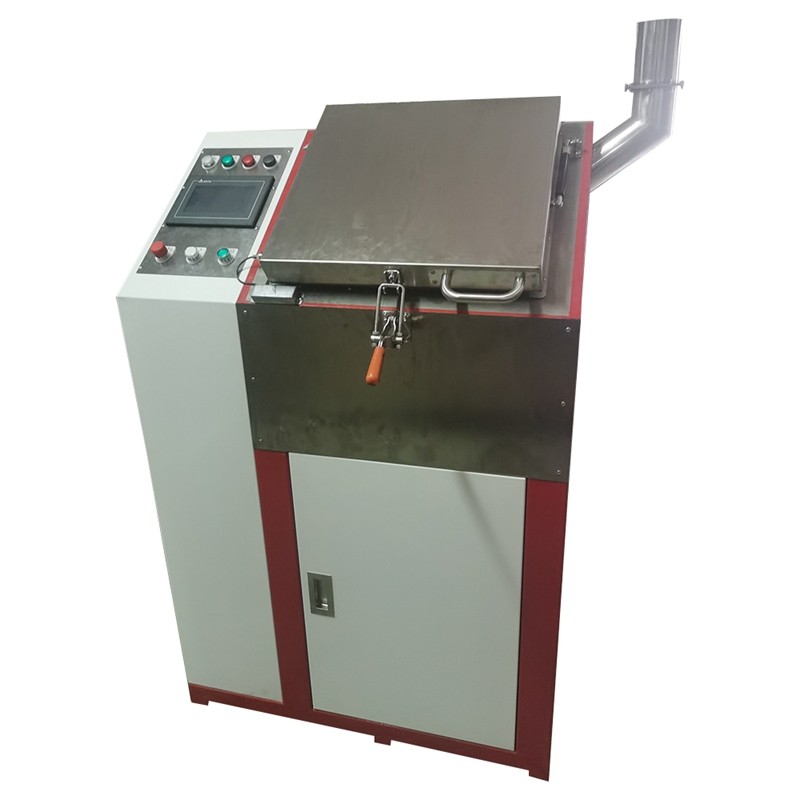 Máquina de desbarbado criogénico PG-40T
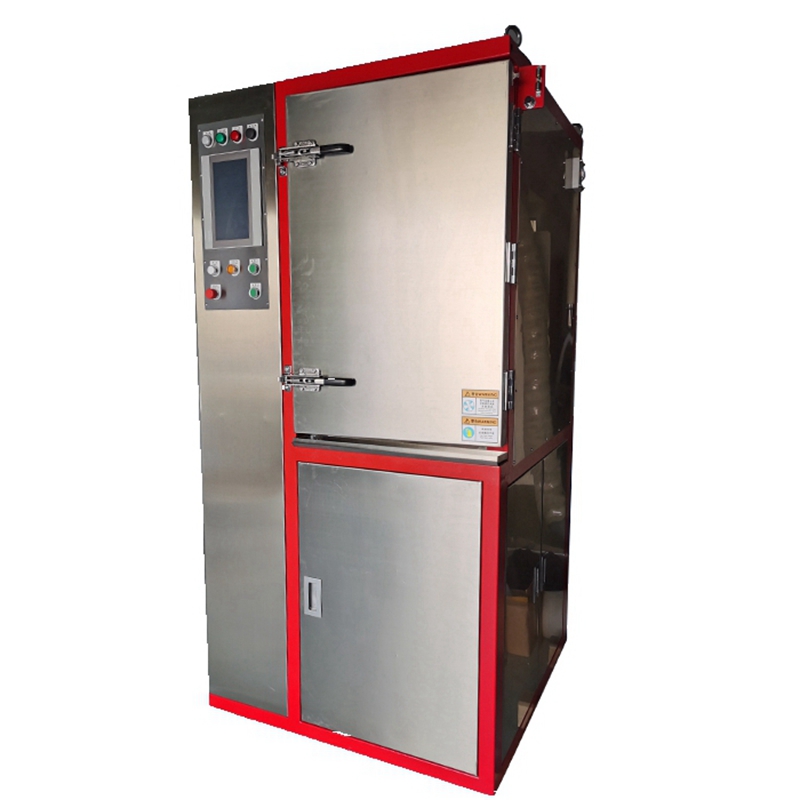 Máquina de desbarbado criogénico PG-60T
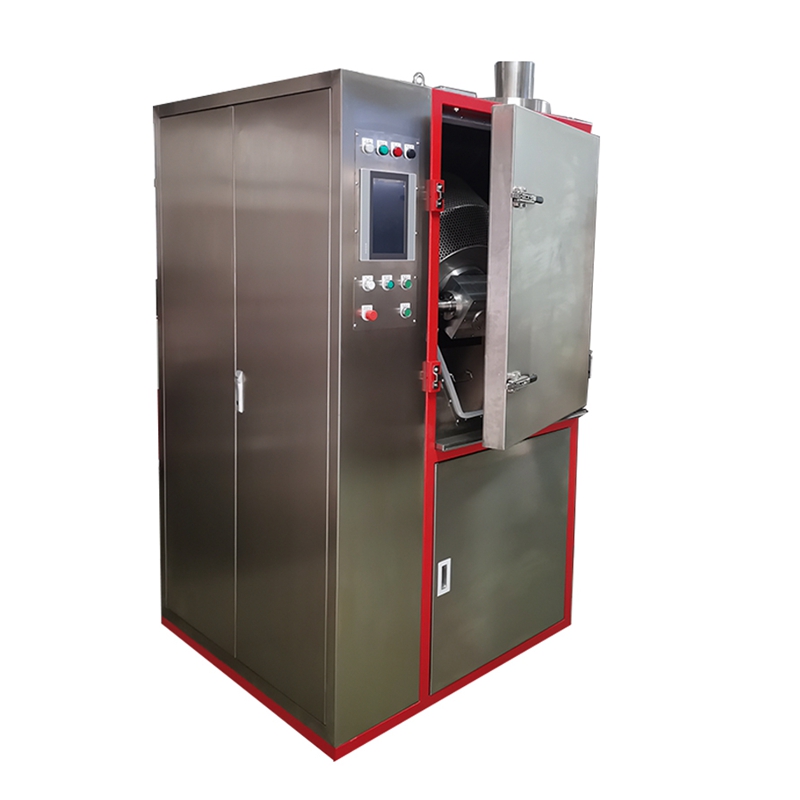 Máquina de desbarbado criogénico PG-80T
 Máquina de desbarbado criogénico PG-120T
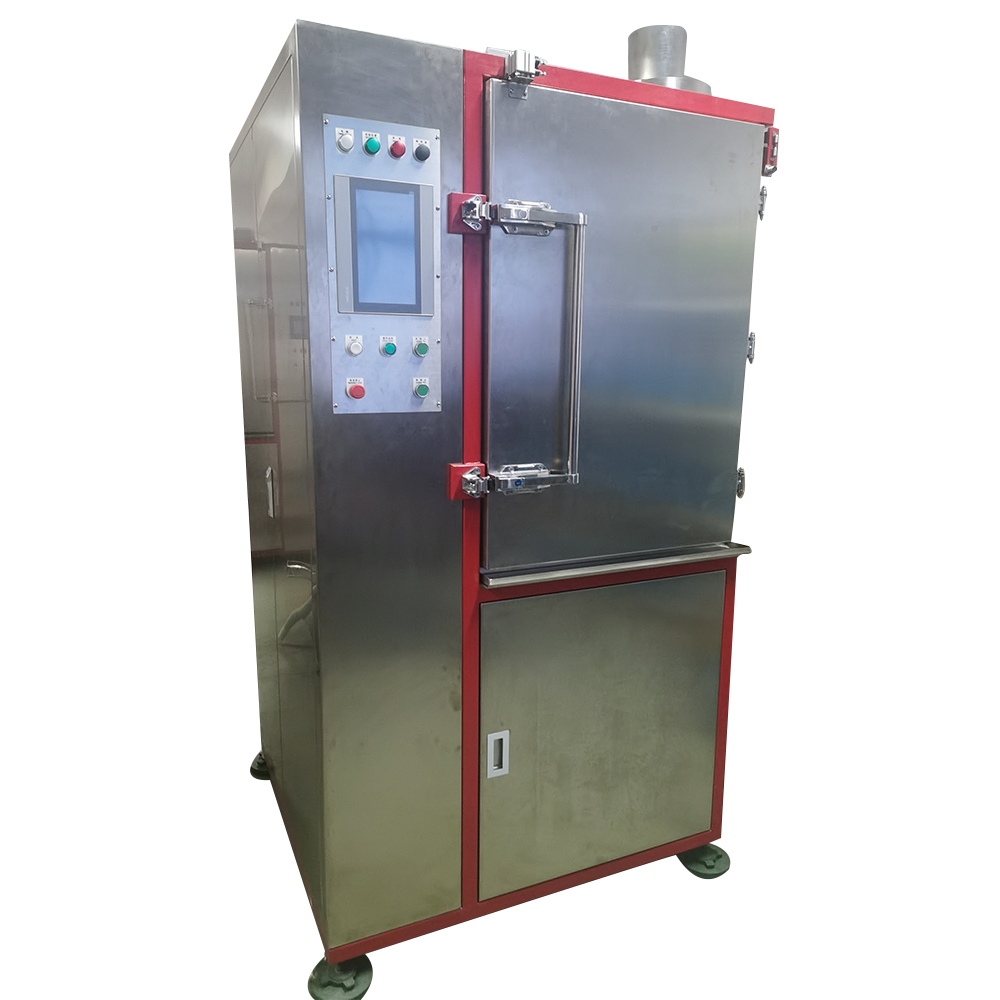 Máquina desbarbadora criogénica PG-150T
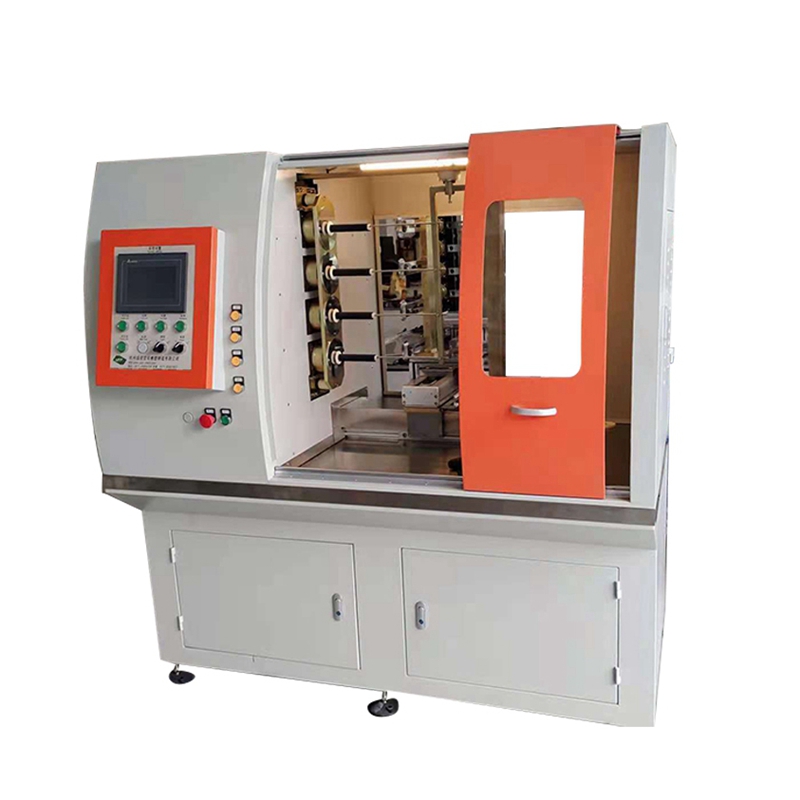 Máquina cortadora de juntas de lavadora de mandril al vacíoPG-YAQ-1S
 Desbarbadora de nitrógeno de China PG-40T
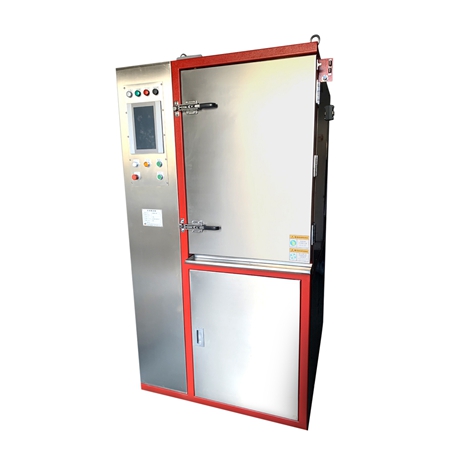 Máquina automática de desbarbado criogénico de piezas de caucho
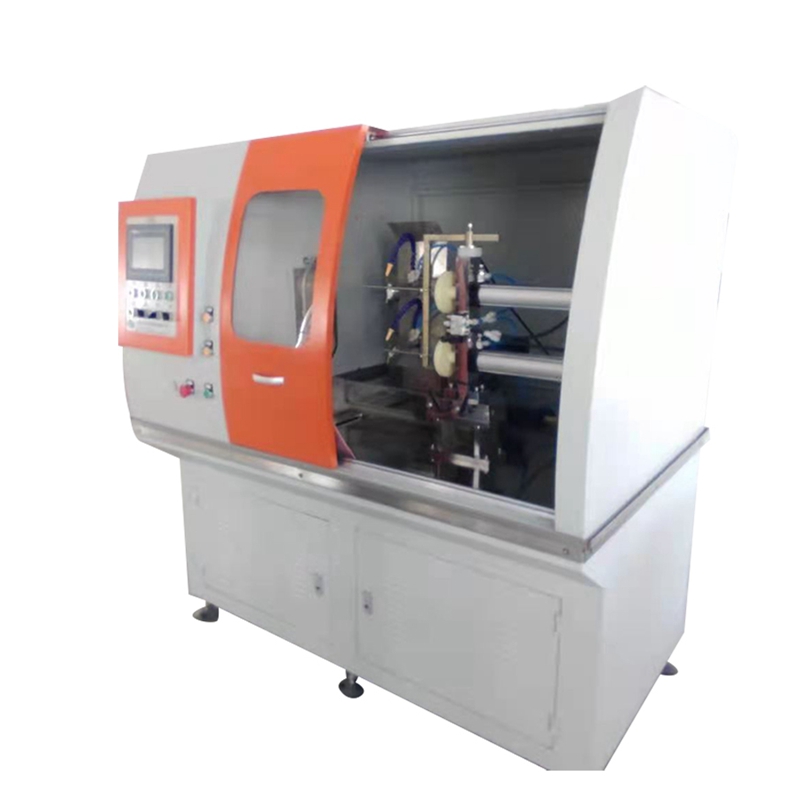 Máquina cortadora de mandril al vacío
 Nanjing Pege Frozen Shot Desbarbador criogénico Desbarbado de piezas de plástico
Máquina cortadora de juntas de mandril al vacío
Nanjing Pege Frozen Shot Desbarbador criogénico Desbarbado de piezas de plástico
Máquina cortadora de juntas de mandril al vacío
 Máquina de desbarbado de granallado de nitrógeno líquido


 English
 français
 español
 Soporta red IPv6